Last Updated on Dec 27, 2025 by Puneet S Bansal
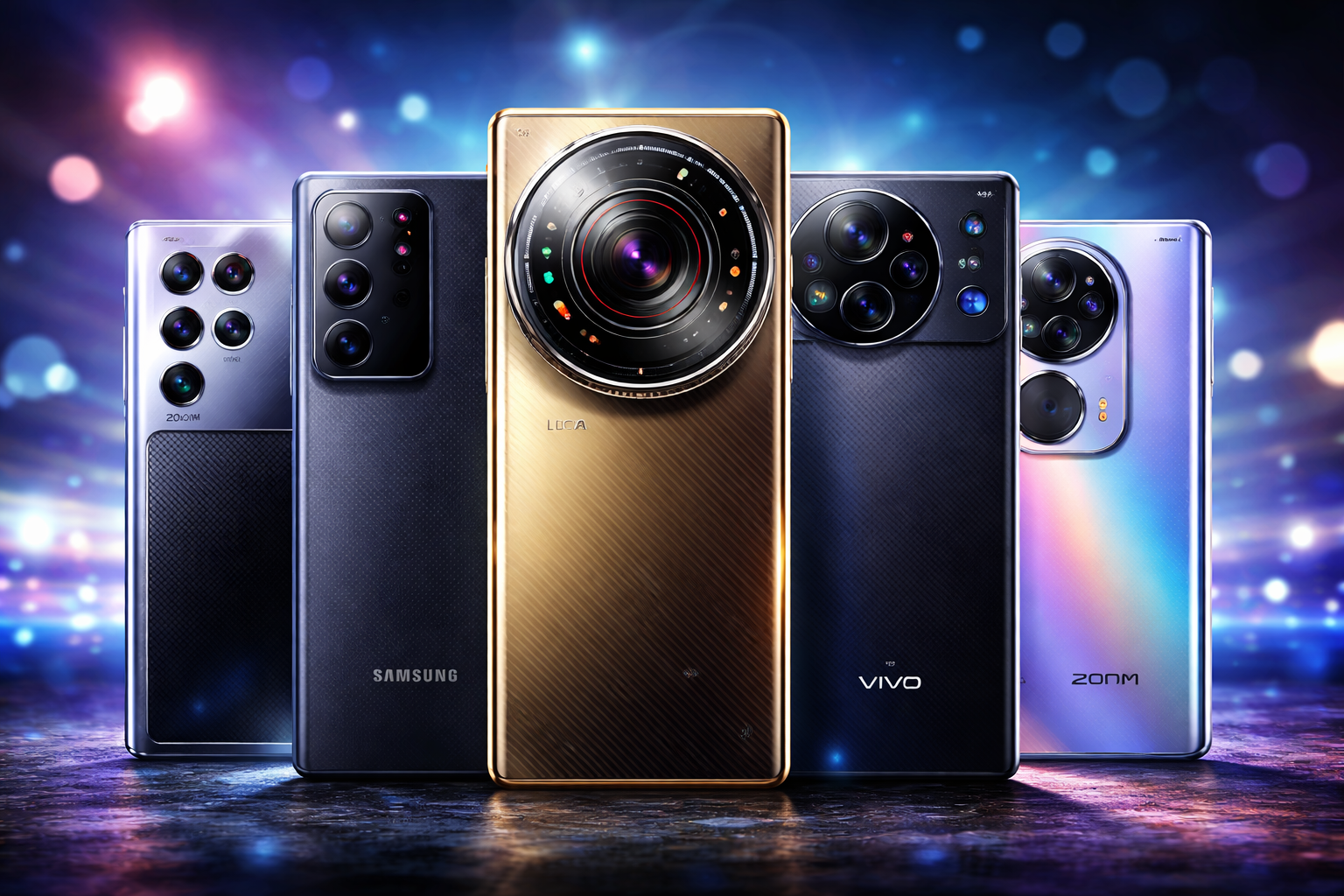
Smartphone cameras are entering a new era. As brands race to combine AI-powered image processing, larger sensors, and professional-grade optics, 2026 could mark a major shift in how photos are captured on mobile devices.
According to recent industry reports, these five smartphones are expected to play a crucial role in redefining camera photography in 2026.
1. Xiaomi 17 Ultra: DSLR-Style Control on a Smartphone

The Xiaomi 17 Ultra is rumoured to introduce a physical camera control ring, paired with Leica-tuned optics and a large primary sensor.
Key camera highlights:
- Larger sensor for superior low-light photography
- Advanced periscope zoom system
- Manual control experience similar to DSLR cameras
This phone could appeal strongly to photography enthusiasts and content creators.
2. Samsung Galaxy S26 Ultra: AI Meets High-Resolution Imaging

Samsung’s Ultra series continues to dominate Android photography. The Galaxy S26 Ultra is expected to focus heavily on AI-powered photography combined with a high-resolution sensor.
Why it matters:
- Improved HDR and night photography
- Reliable zoom performance
- Strong video recording capabilities
Samsung’s strength lies in delivering consistent results across conditions.
3. Oppo Find X9 Ultra: Dual High-Resolution Camera Setup

Oppo may experiment with dual high-resolution sensors, potentially redefining zoom and clarity in smartphone photography.
Expected benefits:
- Sharper images at multiple focal lengths
- Enhanced long-distance photography
- Advanced colour science
This approach could blur the line between smartphones and traditional cameras.
4. Vivo X Series: Natural Colours and Portrait Excellence
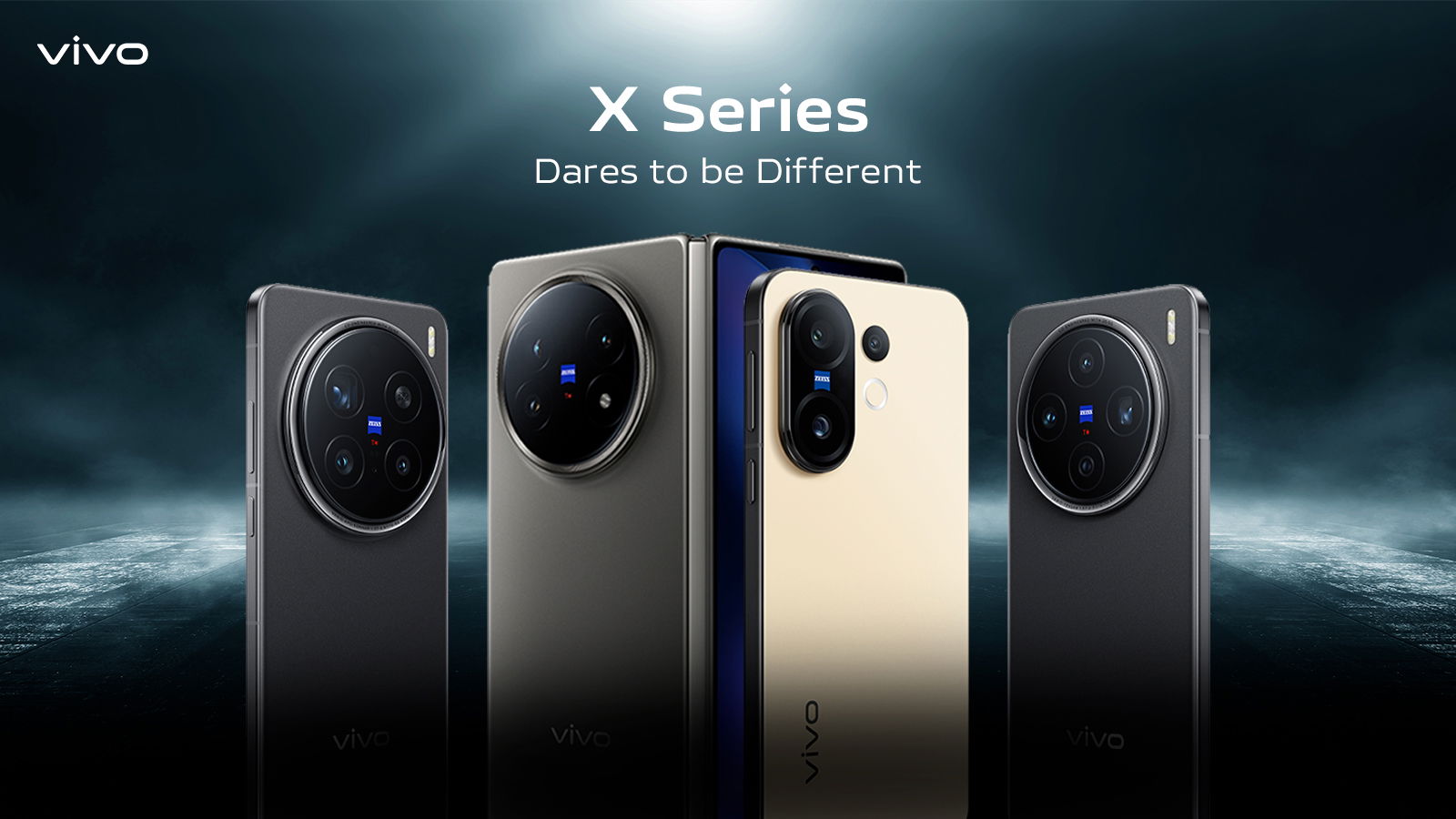
Vivo’s partnership with Zeiss focuses on realistic colour reproduction and strong portrait performance rather than just megapixels.
Strengths include:
- Natural skin tones
- Excellent portrait depth
- Dedicated imaging hardware
This makes Vivo devices popular among photography purists.
5. Realme Pro Series: High-End Cameras for Mid-Range Buyers
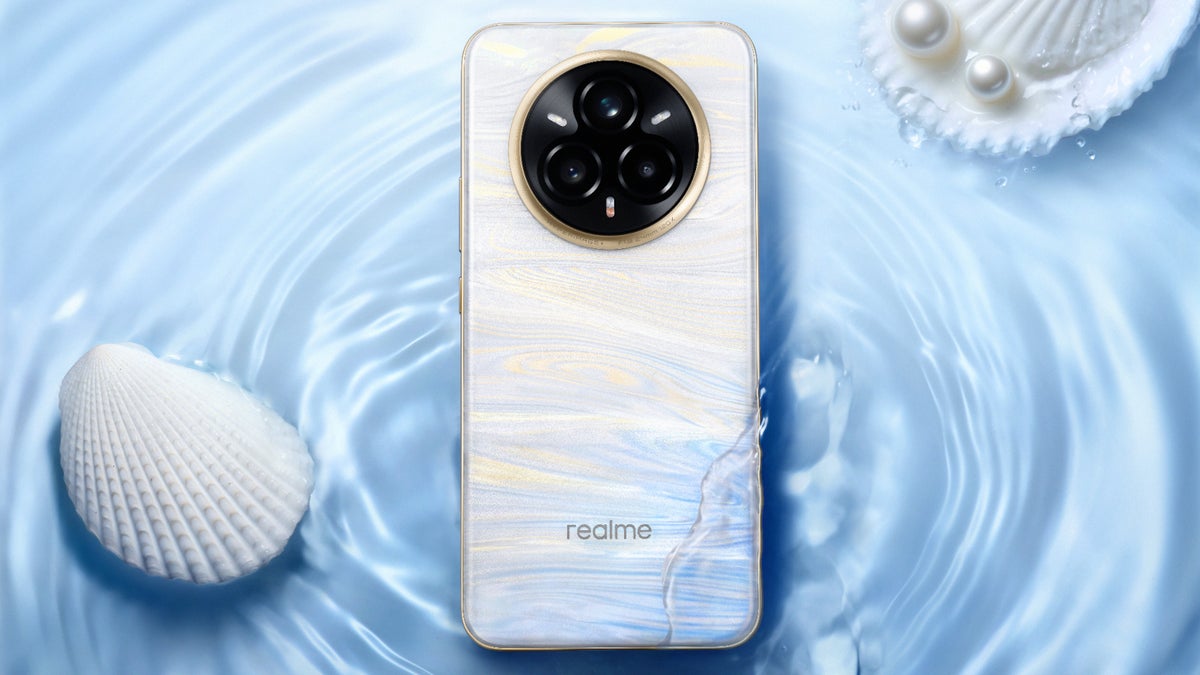
Realme is expected to bring flagship-level camera sensors to more affordable devices, reshaping expectations in the mid-range segment.
Why this is important:
- High-resolution photography at lower prices
- AI-enhanced image quality
- Broader access to premium camera features
Comparison Snapshot
| Smartphone | Camera Focus | Why It Stands Out |
|---|---|---|
| Xiaomi 17 Ultra | Manual control + large sensor | DSLR-like experience |
| Galaxy S26 Ultra | AI + high resolution | Consistent all-rounder |
| Oppo Find X9 Ultra | Dual high-res sensors | Advanced zoom clarity |
| Vivo X Series | Colour accuracy | Natural portraits |
| Realme Pro Series | Affordable high MP | Mass-market impact |
Why 2026 Will Be a Turning Point for Smartphone Cameras
- Larger camera sensors becoming mainstream
- AI handling noise reduction and focus
- Improved optical zoom systems
- Collaboration with camera brands like Leica and Zeiss
Smartphones are no longer copying cameras — they’re redefining photography itself.
Frequently Asked Questions
Which smartphone will have the best camera in 2026?
Several upcoming models like Xiaomi’s Ultra series and Samsung’s Galaxy S Ultra lineup are expected to lead, depending on AI performance and sensor size.
Will AI improve smartphone photography?
Yes. AI will play a major role in noise reduction, autofocus, HDR, and scene optimisation, especially in low-light photography.
Are DSLR-style controls coming to smartphones?
Some manufacturers are experimenting with physical controls and manual features, bringing a DSLR-like experience to phones.
Will 200MP cameras become common?
High-resolution sensors are expected to expand beyond flagships into mid-range phones by 2026.
Are smartphone cameras replacing DSLR cameras?
For most users, smartphones already meet daily photography needs. DSLRs may remain relevant mainly for professionals.
Should Indian buyers wait for 2026 camera phones?
If photography is a priority, waiting could offer better AI features, improved sensors, and more value for money.
CONCLUSION
With advancements in AI, optics, and sensor technology, 2026 could be a defining year for smartphone photography. Whether through professional controls or intelligent automation, these devices point toward a future where mobile photography reaches new creative heights.

If you’ve got any queries or suggestions, drop them in the comments below. You can also tweet to me at @PuneetsBansal or DM @PuneetsBansal on Instagram or Get In Touch.